
Infrastructure Monitoring Tools Explained
Introduction
Modern IT infrastructure supports websites, cloud platforms, business applications, databases, networks, and communication systems. Organizations depend on these systems to deliver services without interruption. Even a short period of downtime can affect productivity, customer satisfaction, revenue, and business reputation.
As IT environments become more complex, manual monitoring is no longer enough. Businesses need tools that continuously track the health and performance of servers, networks, cloud services, applications, databases, and other infrastructure components. This is where infrastructure monitoring tools play a vital role.
Infrastructure monitoring tools collect performance data, detect issues, generate alerts, and provide insights that help IT teams identify and resolve problems before they impact users. These tools also support capacity planning, security monitoring, compliance, and long-term infrastructure optimization.
This guide explains what infrastructure monitoring tools are, how they work, their key features, common types, popular monitoring solutions, benefits, challenges, and best practices for effective infrastructure monitoring.
What Are Infrastructure Monitoring Tools?
Infrastructure monitoring tools are software solutions that continuously monitor the performance, availability, and health of IT infrastructure.
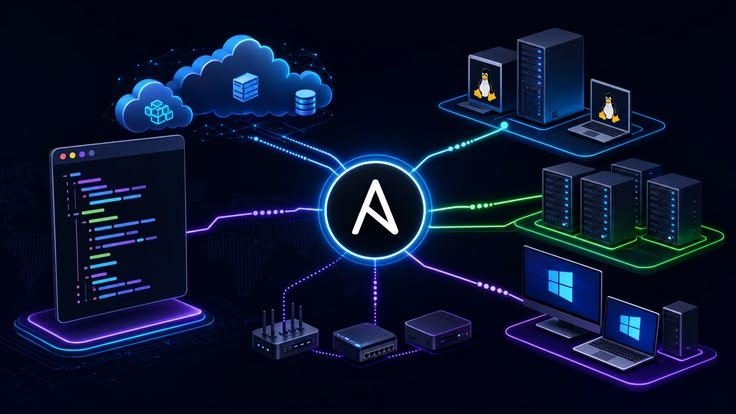
They monitor components such as:
- Physical servers
- Virtual machines
- Cloud infrastructure
- Storage systems
- Databases
- Network devices
- Applications
- Containers
- Operating systems
Their primary goal is to detect problems before they affect business operations.
Why Infrastructure Monitoring Is Important
Modern businesses rely on always-available IT systems.
Monitoring helps organizations:
- Detect failures early
- Reduce downtime
- Improve performance
- Enhance security
- Support capacity planning
- Optimize resource usage
- Improve customer experience
- Maintain business continuity
Without monitoring, many problems remain unnoticed until users report them.
How Infrastructure Monitoring Works
Monitoring tools collect information from infrastructure components.
The process typically includes:
- Collect performance metrics.
- Store monitoring data.
- Analyze system behavior.
- Compare results with predefined thresholds.
- Generate alerts when problems occur.
- Display dashboards and reports.
- Support troubleshooting and performance optimization.
This continuous process helps IT teams maintain reliable systems.
Components Monitored
Infrastructure monitoring tools commonly monitor:
Servers
Monitor:
- CPU usage
- Memory utilization
- Disk usage
- System uptime
- Running processes
Network Devices
Monitor:
- Routers
- Switches
- Firewalls
- Network traffic
- Bandwidth utilization
Storage Systems
Track:
- Available storage
- Disk performance
- Read/write operations
- Storage health
Databases
Monitor:
- Query performance
- Database availability
- Connection status
- Storage utilization
Cloud Infrastructure
Track:
- Virtual machines
- Cloud storage
- Load balancers
- Cloud networking
- Resource usage
Applications
Monitor:
- Response time
- Error rates
- Availability
- User requests
- Performance metrics
Key Features of Infrastructure Monitoring Tools
Modern monitoring solutions provide many features.
Real-Time Monitoring
Continuously tracks infrastructure performance.
Automated Alerts
Notifies administrators through:
- SMS
- Mobile apps
- Collaboration platforms
Immediate alerts reduce downtime.
Dashboards
Visual dashboards display:
- Performance metrics
- Resource utilization
- Network activity
- System health
Dashboards simplify infrastructure management.
Reporting
Generate reports for:
- Performance trends
- Capacity planning
- Compliance
- Incident history
Reports support business decision-making.
Historical Data
Monitoring tools store historical metrics.
This helps organizations:
- Identify trends
- Compare performance
- Forecast future capacity
Log Collection
Many tools collect:
- System logs
- Application logs
- Security logs
- Network logs
Logs simplify troubleshooting.
Types of Infrastructure Monitoring
Organizations monitor different infrastructure areas.
Server Monitoring
Tracks server performance and availability.
Network Monitoring
Measures:
- Network speed
- Packet loss
- Latency
- Connectivity
Cloud Monitoring
Observes cloud resources and services.
Database Monitoring
Tracks database health and performance.
Application Performance Monitoring (APM)
Measures application responsiveness and user experience.
Storage Monitoring
Monitors storage capacity and performance.
Security Monitoring
Detects suspicious activity and potential security threats.
Popular Infrastructure Monitoring Tools
Several tools are widely used in IT environments.
Nagios
Nagios monitors:
- Servers
- Networks
- Applications
- Infrastructure availability
Benefits include:
- Alerting
- Performance monitoring
- Plugin support
Zabbix
Zabbix is an open-source monitoring platform.
It supports:
- Servers
- Virtual machines
- Databases
- Cloud environments
- Network devices
Prometheus
Prometheus is designed for modern cloud-native environments.
It collects:
- Performance metrics
- Resource utilization
- Container statistics
Prometheus integrates well with Kubernetes.
Grafana
Grafana visualizes monitoring data using dashboards.
It supports multiple monitoring data sources.
Features include:
- Charts
- Graphs
- Alerts
- Reporting
Datadog
Datadog is a cloud-based monitoring platform.
It monitors:
- Infrastructure
- Applications
- Logs
- Cloud services
It supports hybrid and multi-cloud environments.
New Relic
New Relic focuses on application performance monitoring.
It provides:
- Real-time monitoring
- Distributed tracing
- Infrastructure monitoring
- Log analysis
SolarWinds
SolarWinds provides enterprise infrastructure monitoring.
It supports:
- Networks
- Servers
- Storage
- Applications
PRTG Network Monitor
PRTG monitors:
- Networks
- Servers
- Bandwidth
- Applications
- Cloud resources
It offers customizable dashboards.
Benefits of Infrastructure Monitoring Tools
Monitoring tools provide many advantages.
Reduced Downtime
Early detection prevents service interruptions.
Better Performance
Continuous monitoring identifies performance bottlenecks.
Faster Problem Resolution
Alerts enable rapid incident response.
Improved Security
Monitoring detects suspicious activities and unusual system behavior.
Better Resource Utilization
Organizations optimize CPU, memory, storage, and network resources.
Capacity Planning
Historical data helps predict future infrastructure requirements.
Compliance Support
Monitoring assists with regulatory reporting and audit requirements.
Improved Customer Experience
Reliable systems provide consistent service availability.
Common Monitoring Challenges
Organizations may experience:
- Large amounts of monitoring data
- False alerts
- Complex cloud environments
- Multiple monitoring platforms
- Limited visibility
- Poor alert configuration
Proper planning reduces these challenges.
Best Practices for Infrastructure Monitoring
Organizations should follow these recommendations.
Monitor Critical Systems
Focus on business-critical infrastructure first.
Set Meaningful Alert Thresholds
Avoid excessive false alarms.
Monitor Continuously
Infrastructure should be monitored 24 hours a day.
Use Centralized Dashboards
Display important metrics in one location.
Review Historical Trends
Analyze long-term performance patterns.
Automate Notifications
Notify administrators immediately when issues occur.
Secure Monitoring Systems
Protect monitoring tools from unauthorized access.
Regularly Test Alerts
Ensure notifications work correctly.
Document Monitoring Procedures
Maintain documentation for:
- Alerts
- Escalation
- Response procedures
Continuously Improve Monitoring
Update monitoring configurations as infrastructure changes.
Future of Infrastructure Monitoring
Monitoring continues evolving with new technologies.
Future trends include:
- Artificial Intelligence for IT Operations (AIOps)
- Predictive analytics
- Automated incident response
- Machine learning
- Cloud-native monitoring
- Container monitoring
- Edge infrastructure monitoring
These technologies improve proactive infrastructure management.
Conclusion
Infrastructure monitoring tools are essential for maintaining reliable, secure, and high-performing IT environments. They provide continuous visibility into servers, networks, cloud platforms, applications, databases, and storage systems while helping organizations detect problems before they impact users. By implementing effective monitoring strategies, using appropriate monitoring tools, and following best practices, businesses can reduce downtime, improve operational efficiency, strengthen security, and support long-term growth in increasingly complex IT environments.
Frequently Asked Questions (FAQ)
1. What are infrastructure monitoring tools?
Infrastructure monitoring tools are software solutions that continuously monitor the health, performance, and availability of IT systems.
2. Why is infrastructure monitoring important?
It helps detect problems early, reduce downtime, improve performance, strengthen security, and support business continuity.
3. What components can monitoring tools track?
They monitor servers, networks, cloud infrastructure, databases, storage systems, applications, containers, and operating systems.
4. What is real-time monitoring?
Real-time monitoring continuously collects and analyzes infrastructure data to detect issues immediately.
5. Which monitoring tool is commonly used for cloud environments?
Prometheus, Datadog, Grafana, New Relic, and Zabbix are commonly used for cloud infrastructure monitoring.
6. What is Application Performance Monitoring (APM)?
APM measures application performance, response times, availability, and user experience.
7. Why are monitoring alerts important?
Alerts notify administrators immediately when system performance falls outside acceptable limits, enabling faster problem resolution.
8. What is the purpose of monitoring dashboards?
Dashboards provide visual displays of infrastructure health, performance metrics, and resource utilization.
9. How does monitoring improve cybersecurity?
Monitoring identifies suspicious activity, unusual system behavior, failed login attempts, and potential security incidents.
10. What are the best practices for infrastructure monitoring?
Best practices include continuous monitoring, meaningful alert thresholds, centralized dashboards, automated notifications, regular testing, historical analysis, and ongoing monitoring improvements.